

How prompt to UI tools are reshaping product development
Embracing new roles, rapid iteration, and team empowerment as a new age product designer

If you’re a product designer, the following scenario probably sounds familiar. A complex and exciting new project is kicked off. The initial meetings are filled with ambition, but they soon devolve into a series of prolonged, circular discussions. Without a tangible focal point, product managers, engineers, and designers struggle to align. Even with a meticulously written Product Requirements Document (PRD), the full vision remains elusive, trapped in the abstract realm of words.
This friction is a long-standing challenge, a process defined by asynchronous understanding and a frustrating lack of shared context. As designers, we’ve often been the designated "visualizers," tasked with translating hours of conversation into the first tangible artifact. But what if the very nature of that artifact, and who gets to create it, was about to change fundamentally?
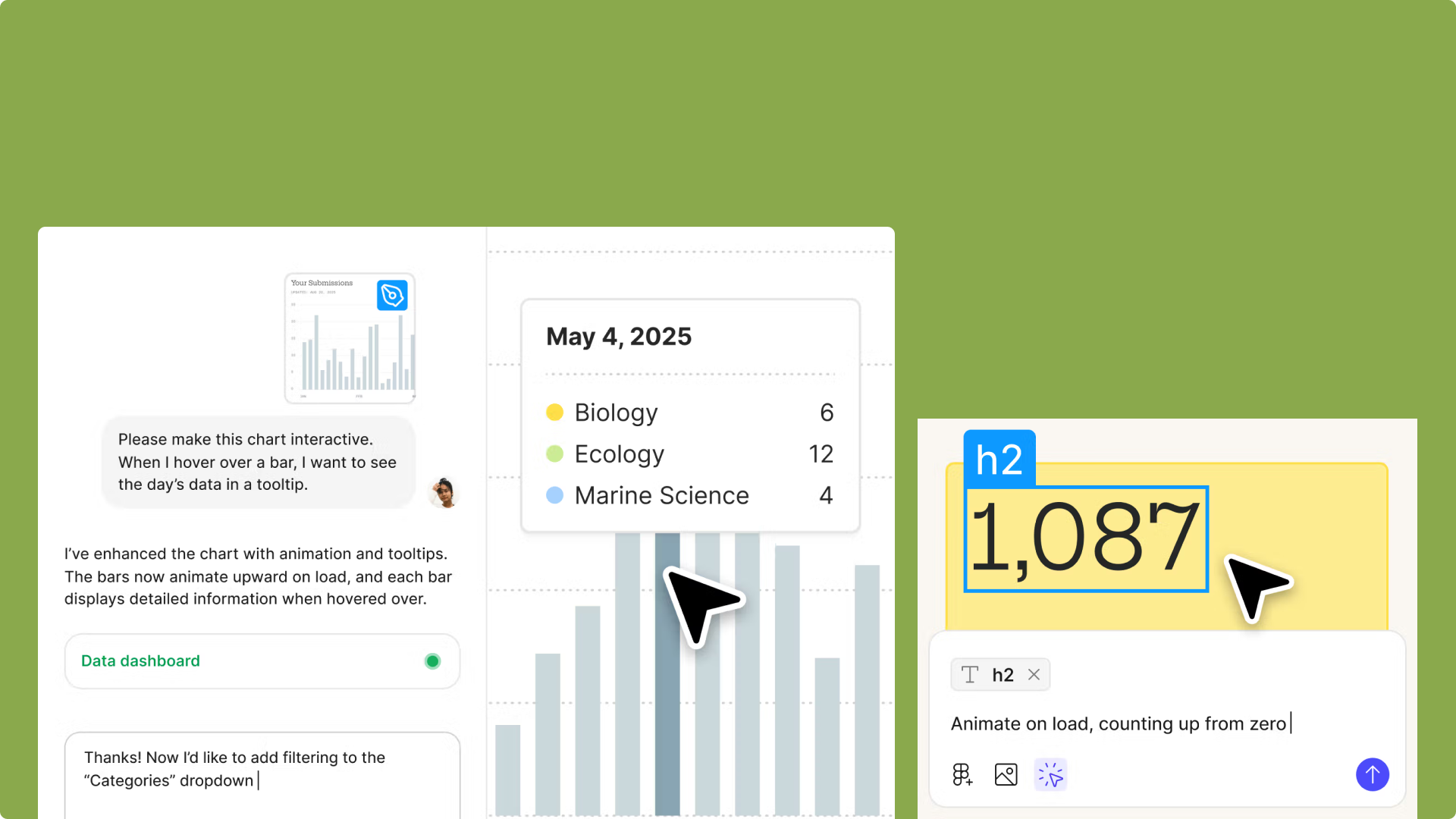
The change is already here. A new wave of generative AI tools, such as Vercel's v0 and Figma's AI features, is radically restructuring the way product teams operate. This isn't just another trend; it's a paradigm shift breaking down long-standing communication barriers and democratizing the act of creation itself.
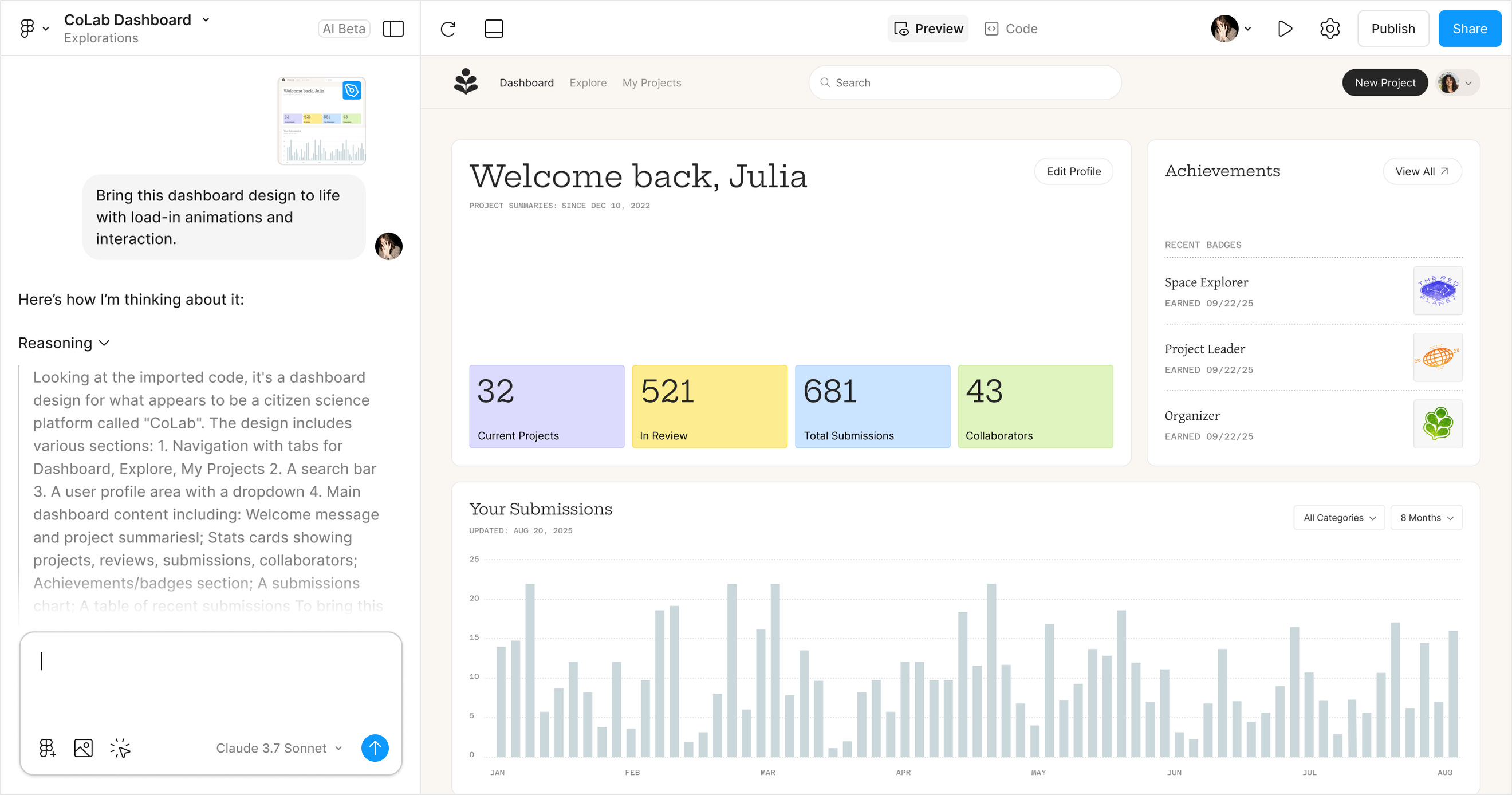
For product designers, this moment represents a critical evolution & an opportunity to move beyond being the sole authors of visual artifacts and become the strategic leaders of a more dynamic, collaborative, and effective creative process.
The communication chaos we've normalized
For years, we've accepted a dysfunctional reality in product development. We've normalized brilliant engineers remaining silent in product meetings, and we've grown accustomed to "alignment" meetings that somehow leave everyone more confused. We’ve convinced ourselves that the sequential handoff model, where ideas move from words to wireframes to code is just "how things work."
This isn't inevitable. The communication breakdowns and expensive course corrections are symptoms of three fundamental barriers that have silently sabotaged our teams.
1. The abstract discussion trap Words are terrible at describing vision, visual experiences and even worse at conveying dynamic interactions. This leads to profound meeting inefficiency. At a feature kickoff, despite a 15-page PRD, everyone holds a different mental model of what you're building. Questions like, "When you say 'simplified workflow,' what exactly do you mean?" or "How should this update in real-time?" reveal that the team isn't aligned at all.
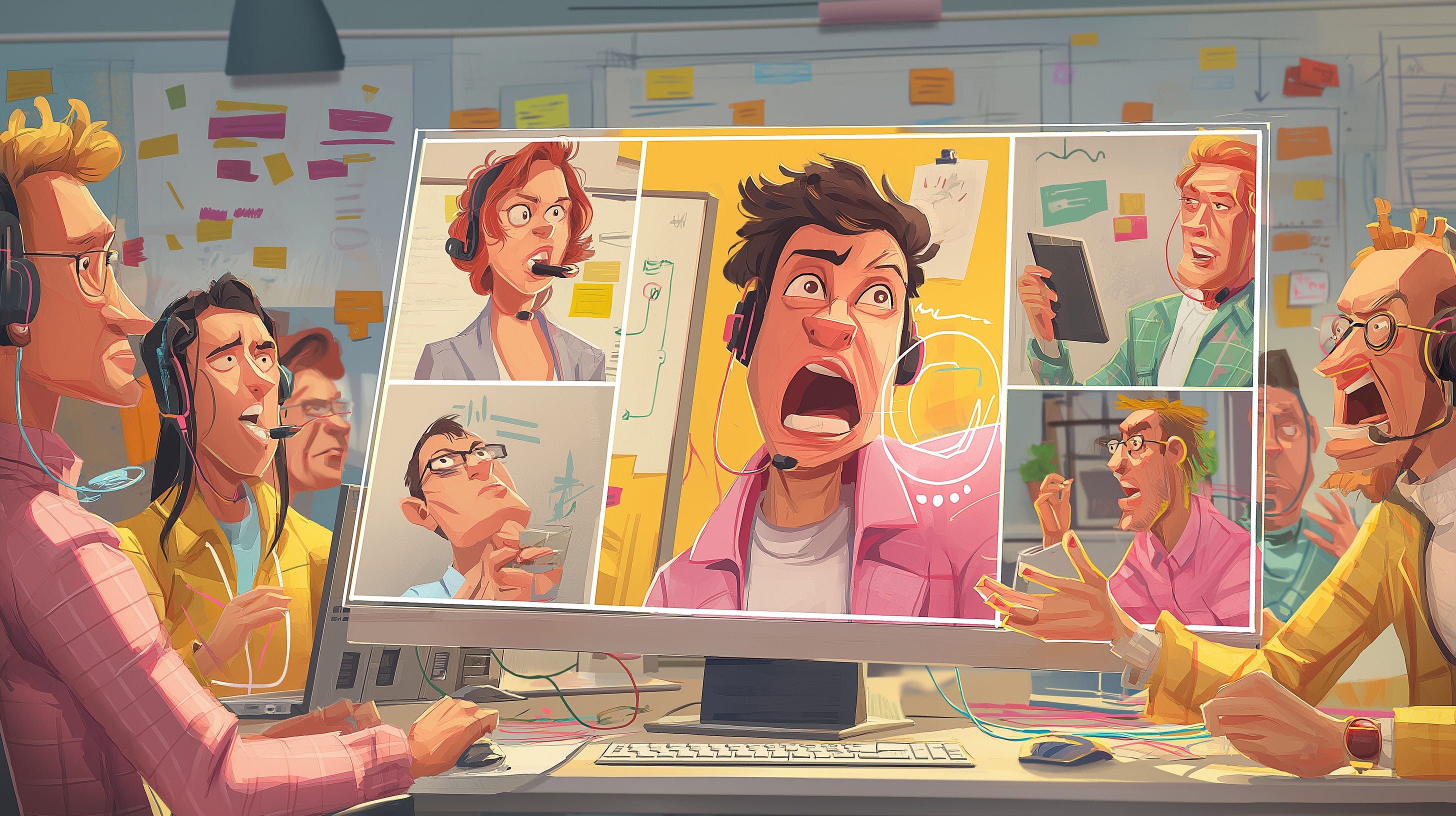
We spend hours debating abstractions that would be resolved in minutes with a tangible artifact to critique, while valuable research insights get lost in translation.
2. The static prototype limitation To escape the abstract trap, we fall into another: the "polish before validation" cycle. We spend weeks crafting pixel-perfect Figma prototypes that, while beautiful, cannot capture the full complexity of a dynamic system. This creates a functional realism gap; these static snapshots optimize for the "happy path" and can't represent real data, edge cases, loading states, or error conditions. As a result, users are brought in too late to validate an incomplete experience, providing feedback on an idealized fantasy rather than a functional reality.
3. The designer dependency bottleneck Most problematically, our process has created an "idea ownership monopoly" where all visual communication must flow through the designer. This makes us the single point of failure for product discussions. It sidelines engineers into being order-takers, preventing their technical insights from shaping the solution early on. It also prevents product managers, who understand user needs deeply, from expressing their ideas visually. This bottleneck forces teams into a "single solution tunnel vision" because the cost of exploring multiple paths is simply too high.
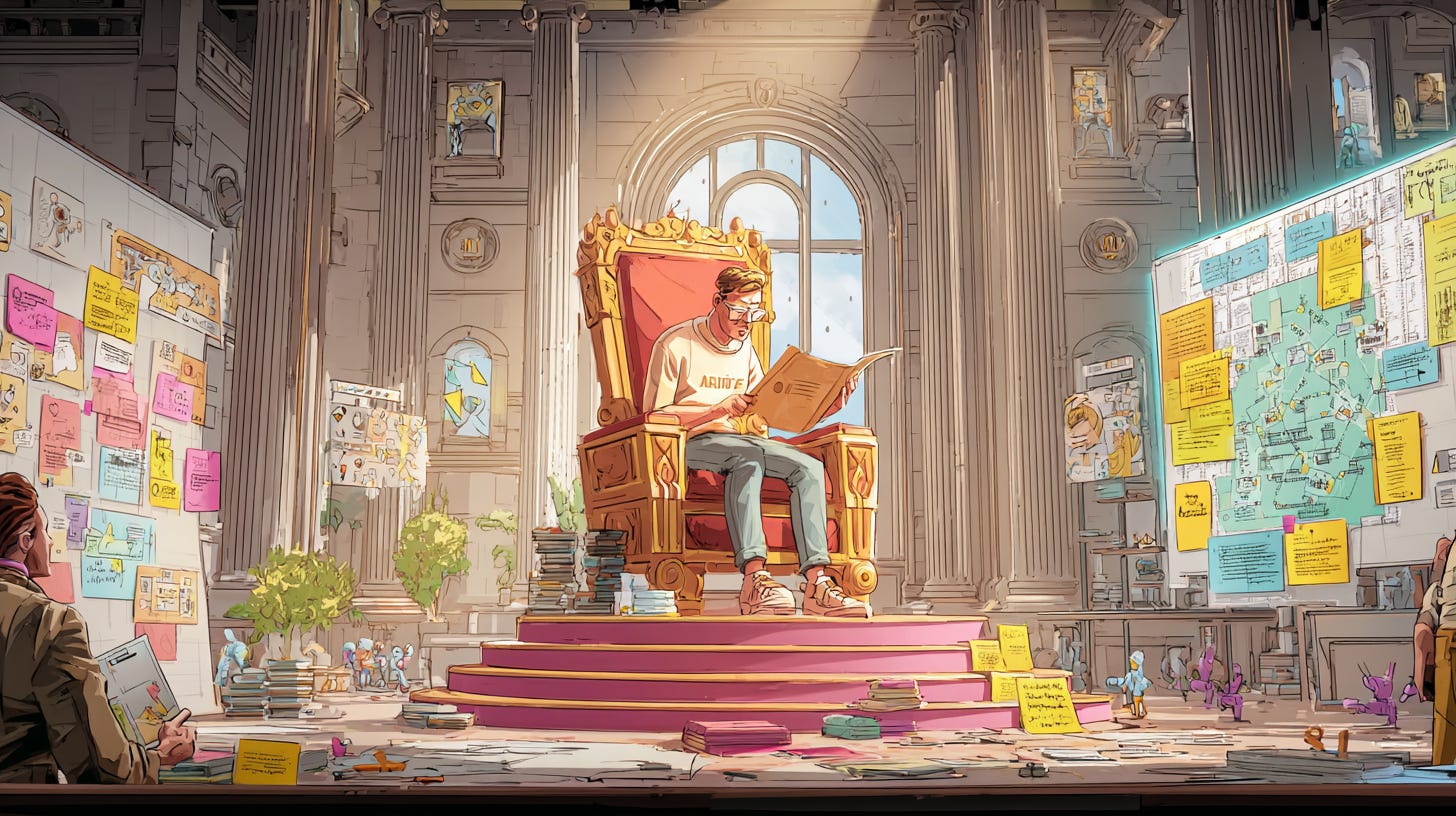
Iteration becomes painfully expensive, creating pressure to "get it right the first time" and locking teams into outdated assumptions while the market and technology evolve without them.
These barriers don't just create frustration—they have a real business impact in delayed timelines, missed opportunities, and disengaged teams.
The new reality: From scarcity to abundance
AI-powered functional prototyping is rewiring these broken dynamics by democratizing the ability to translate ideas into testable artifacts. This creates several profound shifts in how teams operate.
1. Engineers as visual communicators The barrier between technical insight and visual expression is collapsing. Engineers, who best understand a system's dynamic behavior, can now translate their ideas directly into functional code and UI. Instead of trying to verbally describe a performance concern or a more elegant interaction, they can build and share a working prototype. These artifacts become powerful communication tools that spark immediate, high-context conversations, transforming engineers from silent partners into active visual contributors.
2. Product managers as early visualizers Product managers, the traditional owners of the "why" and "what," can now participate in the "how" much earlier. No longer limited by their proficiency in design software, PMs are generating rough but effective prototypes to articulate a user flow or demonstrate a feature concept. The artifact they bring to a meeting is not intended to be the final design. Its purpose is far more valuable: it serves as a powerful conversation starter that avoids ambiguity and replaces pages of documentation with a single, tangible object.
3. The end of "Precious" ideas and the dawn of rapid iteration The economics of experimentation have fundamentally changed. When creating a prototype takes days, the team becomes psychologically invested in it due to the effort expended. This "sunk cost" can stifle creativity and make the team hesitant to pivot. AI obliterates this. Because generating a functional prototype is now so cheap and fast, there is no attachment to any single idea. Why debate the merits of Idea A versus Idea B when you can generate both, plus C, D, and E, in the time it used to take to discuss them?
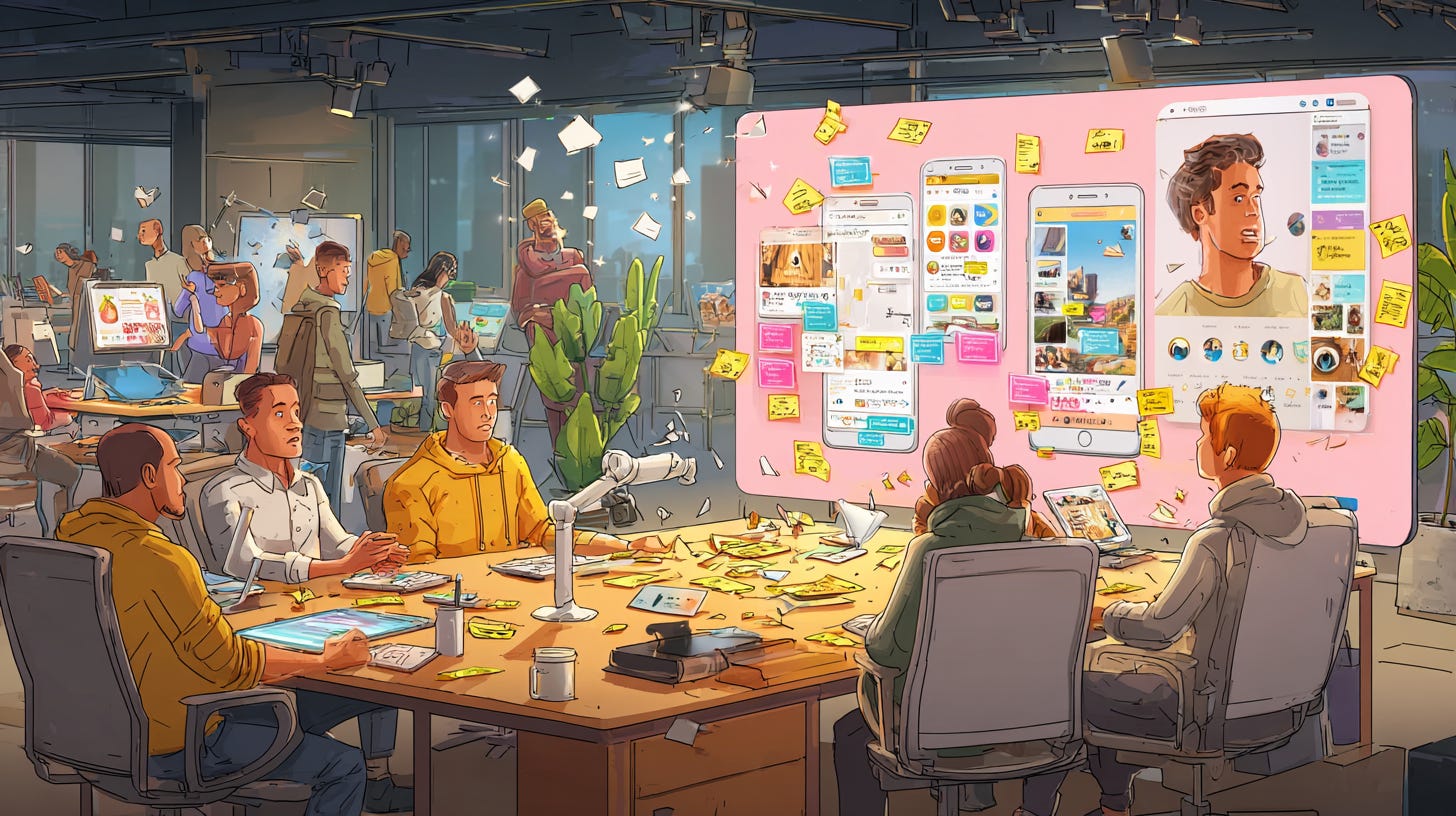
This unlocks a truly iterative mindset, allowing teams to explore a range of concepts and test them with real users before investing in full development.
4. The shift to parallel discovery Perhaps the most profound change is the move from a linear process to one of parallel discovery. The low cost of creation enables teams to explore multiple directions simultaneously instead of being forced to pick one path and hope it’s right. For a recent checkout optimization, our team generated six different approaches in two days—from a single-page flow to a voice-guided option. Testing all six revealed that no single flow was optimal, leading to a sophisticated adaptive system that would have been impossible to discover with a linear process.
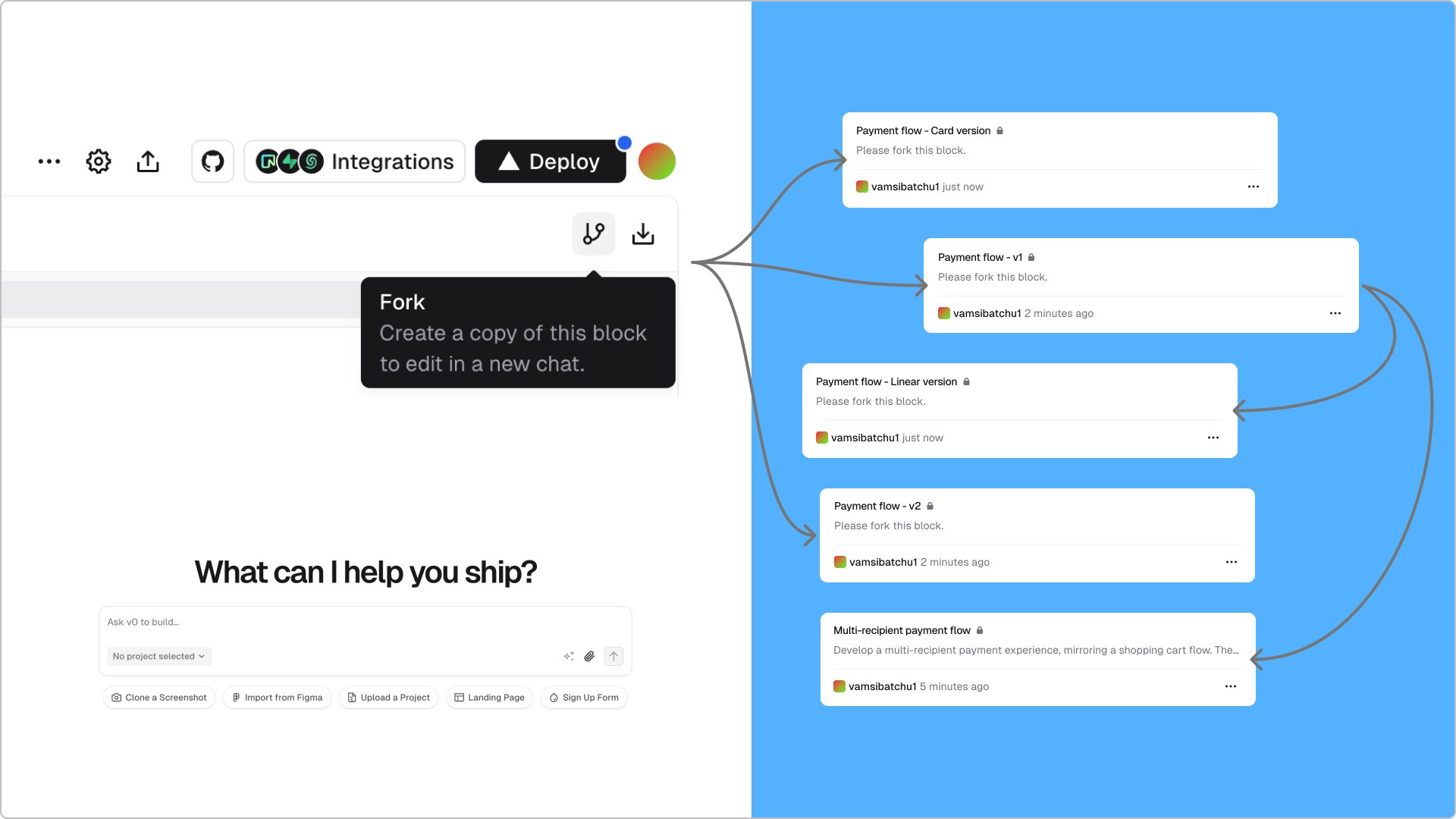
This "abundance mindset" unleashes creativity and allows the best solution to emerge from user feedback, not internal debate.
Addressing the inevitable fears
This new paradigm is not without its perils, and it's natural for designers to feel a sense of anxiety.
Fear #1: The commoditization of design. Will all apps start to look the same? The risk is real if teams simply accept the first AI output. Your role is to become the guardian of originality, art-directing the AI to push beyond the generic.
Fear #2: The "Frankenstein" product. What happens when a flood of uncoordinated ideas leads to chaos? Your role is to be the synthesizer, facilitating the conversation and weaving strategic value from each prototype into a single, cohesive user journey.
Fear #3: A decline in quality and craft. Will teams start shipping functional-but-ugly UIs because it’s "good enough"? Your role is to be an even more effective champion for craft, advocating for the accessibility, intuitive micro-interactions, and emotional resonance that define a well-designed experience.
Our value is no longer solely in our mastery of a specific tool. It is in our taste, our strategic thinking, and our relentless advocacy for the user.
The designer's evolution: Human-in-the-Loop framework
The democratization of prototyping doesn't diminish the designer’s role—it elevates it from tactical execution to strategic leadership.
The shift from maker to multiplier
The Old Value Proposition: Designers were valuable because we could translate abstract ideas into visual artifacts. Our tools expertise, our aesthetic sense, and our ability to use complex software made us indispensable for creating anything visual.
The New Value Proposition: Designers are valuable because we can synthesize diverse perspectives into cohesive experiences, establish quality standards that scale across teams, and ensure that user needs remain central as creation becomes democratized. This isn't about losing our craft—it's about applying our craft at a higher level of abstraction.
Pillar 1: Vision synthesis and experience coherence When everyone on your team can create prototypes, your role shifts from being the sole creator to being the chief curator and synthesizer. This is actually a more sophisticated and valuable role than individual production. Your facilitation superpower is guiding teams through rapid creation and evaluation cycles by helping them craft better prompts, extract strong ideas from multiple prototypes, and maintain the overall product vision.
This isn't about control—it's about ensuring that individual features add up to coherent user journeys.
Pillar 2: Quality amplification and craft standards AI tools excel at generating functional prototypes, but they cannot replicate the designer's eye for the nuances that separate good experiences from exceptional ones. This is where craft becomes more important, not less. AI can get you 80% of the way to a solid solution; the final 20%—the micro-interactions that delight users, the accessibility considerations that ensure inclusivity, and the visual refinements that create emotional connection—is where your expertise becomes irreplaceable.
This includes everything from the easing curve of a transition to evolving your design system to be "AI-friendly."
Pillar 3: Team enablement and design education Rather than hoarding design knowledge, effective designers in the AI era actively share their expertise, enabling their entire team to make better design decisions. This means becoming a coach who creates enablement tools like prompt libraries and evaluation checklists. It involves teaching fundamental design principles—not to turn engineers into designers, but to give them the language and heuristics to be more effective visual collaborators.
Actionable strategies for designers
These pillars are put into practice through tactical strategies that restructure how teams work:
Establish a "Prototype Lab": Dedicate a regular, time-boxed session for the entire team to silently prototype solutions to the same challenge. Follow this with a non-judgmental share-out and a synthesis discussion facilitated by the designer. This harnesses collective creativity while ensuring a cohesive outcome.
Evolve the design system to be "AI-Ready": Transform your design system from a static library into a dynamic enablement platform. Structure components with clear prompting guidance and decision trees for when to use different patterns. This ensures that as more people create, the output remains consistent and high-quality.
Integrate user research continuously: With teams creating and testing prototypes rapidly, user research must be embedded in the process, not a separate phase. Establish continuous feedback loops with quick, regular user testing sessions to ensure the speed of creation doesn't compromise user-centricity.
Become a quality multiplier: Shift from being a quality bottleneck to a quality multiplier. Develop asynchronous review processes using standardized checklists so you can focus your expert review time on the most complex and innovative prototypes. Use every piece of feedback as a teaching moment to explain the principles behind your suggestions.
The designer evolution checklist
As a designer navigating this transition, I've had to develop new skills and mindsets:
✓ Technical Literacy: Understanding how AI tools work enables better collaboration with engineers
✓ Facilitation Skills: Leading diverse teams through creative processes requires different skills than individual design work
✓ Systems Architecture: Thinking in terms of scalable design systems rather than individual screens
✓ Quality Assessment: Developing frameworks for evaluating design quality that others can apply
✓ Teaching Ability: Effectively transferring design knowledge to non-designers
✓ Strategic Vision: Seeing beyond individual features to overall experience architecture
✓ Experimentation Mindset: Embracing rapid iteration and "intelligent failure"
The window of opportunity
The role of the product designer will continue to move "up-market." As AI handles more of the rote production work, we are freed to focus on the most uniquely human skills: strategic thinking, ethical judgment, creative direction, and deep user empathy. The designer of the near future is less of a UI draftsperson and more of a creative director for a human-machine team.
Don't wait for perfect tools or complete organizational buy-in. Start small. This week, pick one feature and encourage your team to generate multiple prototypes. This month, establish a regular "prototype lab" to explore different approaches. The teams that thrive will be those that combine the speed of AI-powered creation with the wisdom of user-centered design.
The tools have changed. The game has evolved. But the mission remains the same: to create experiences that improve people's lives. Let me know what you think in the comments. How are you using these tools in your product development workflows?